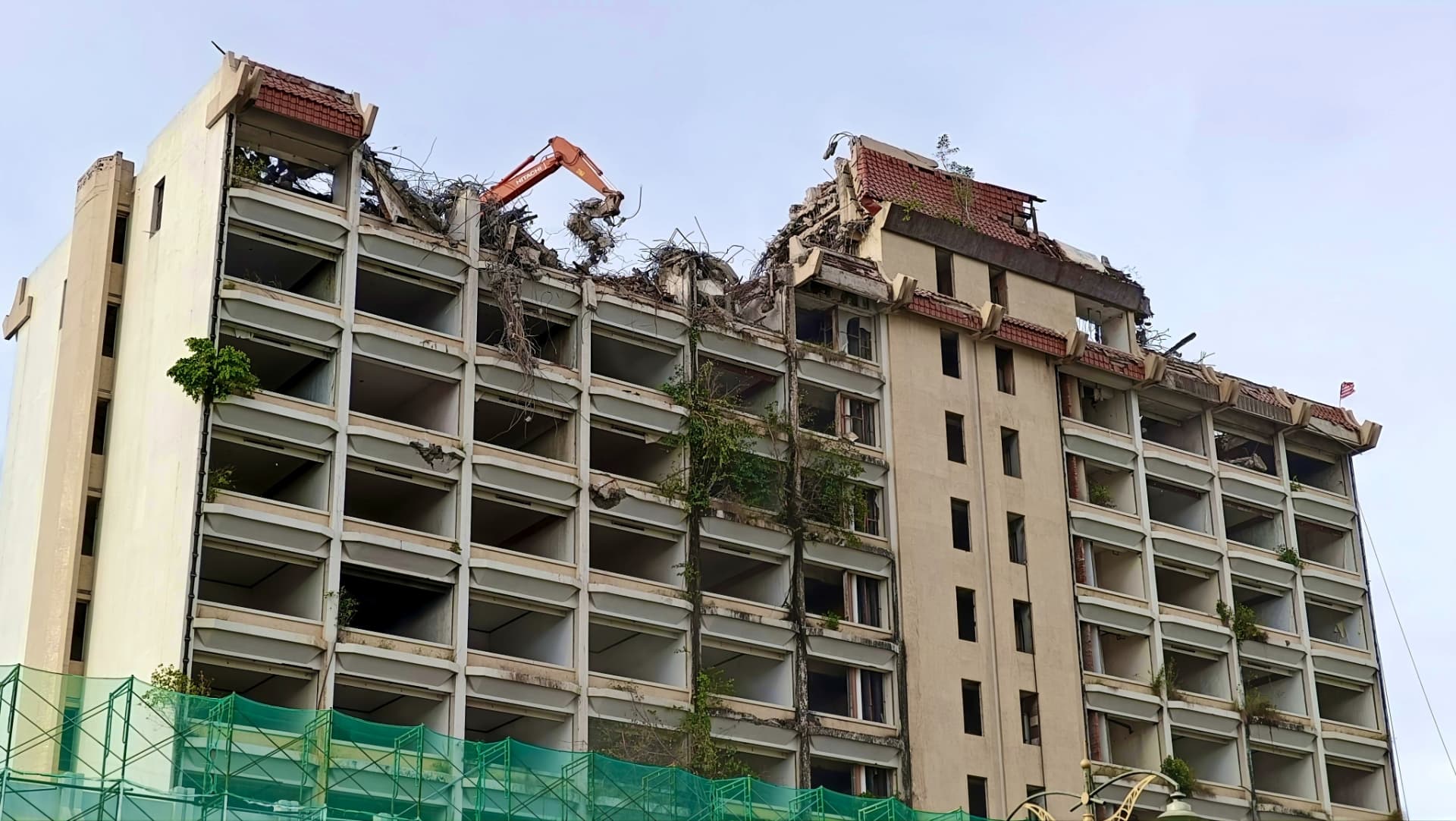
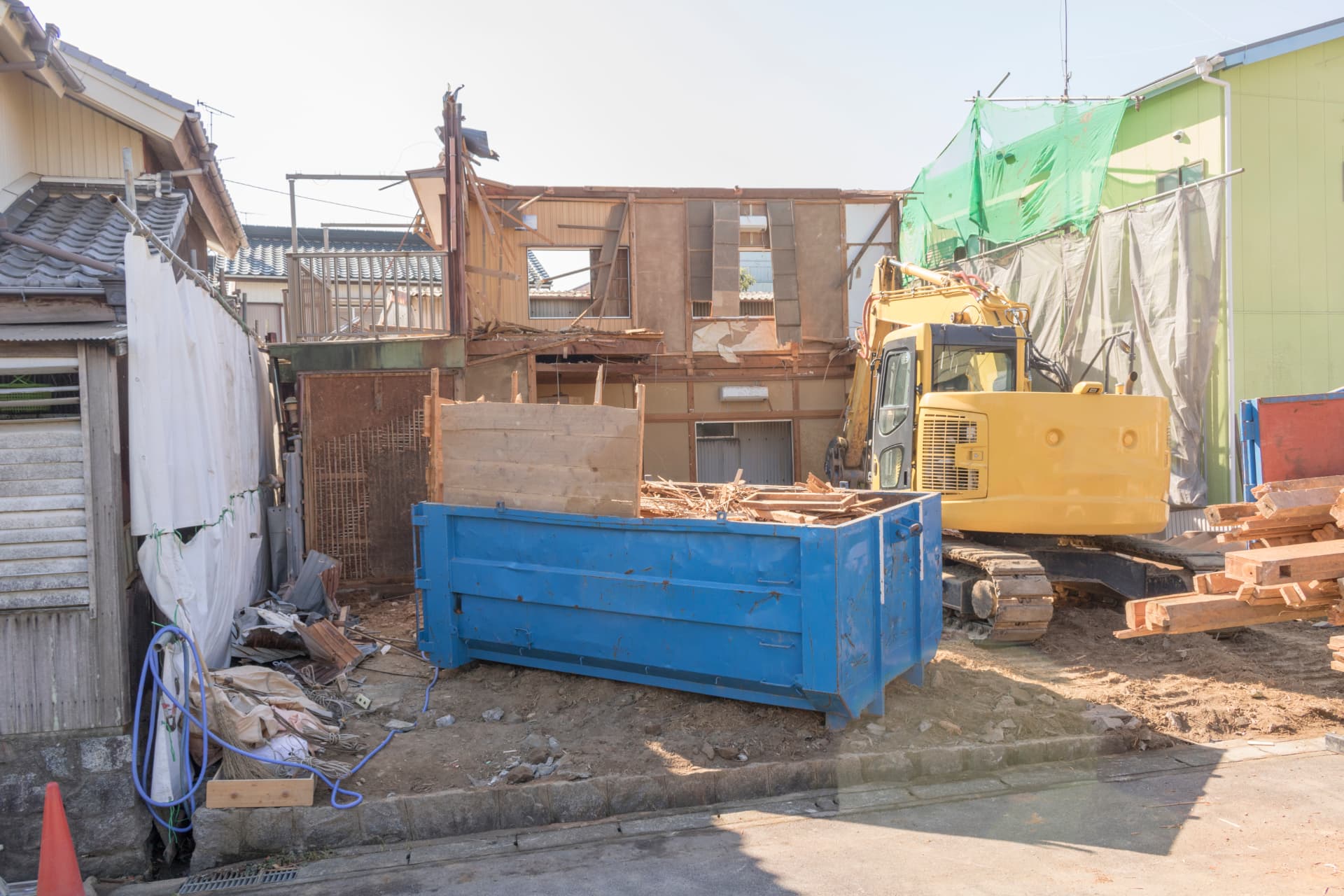
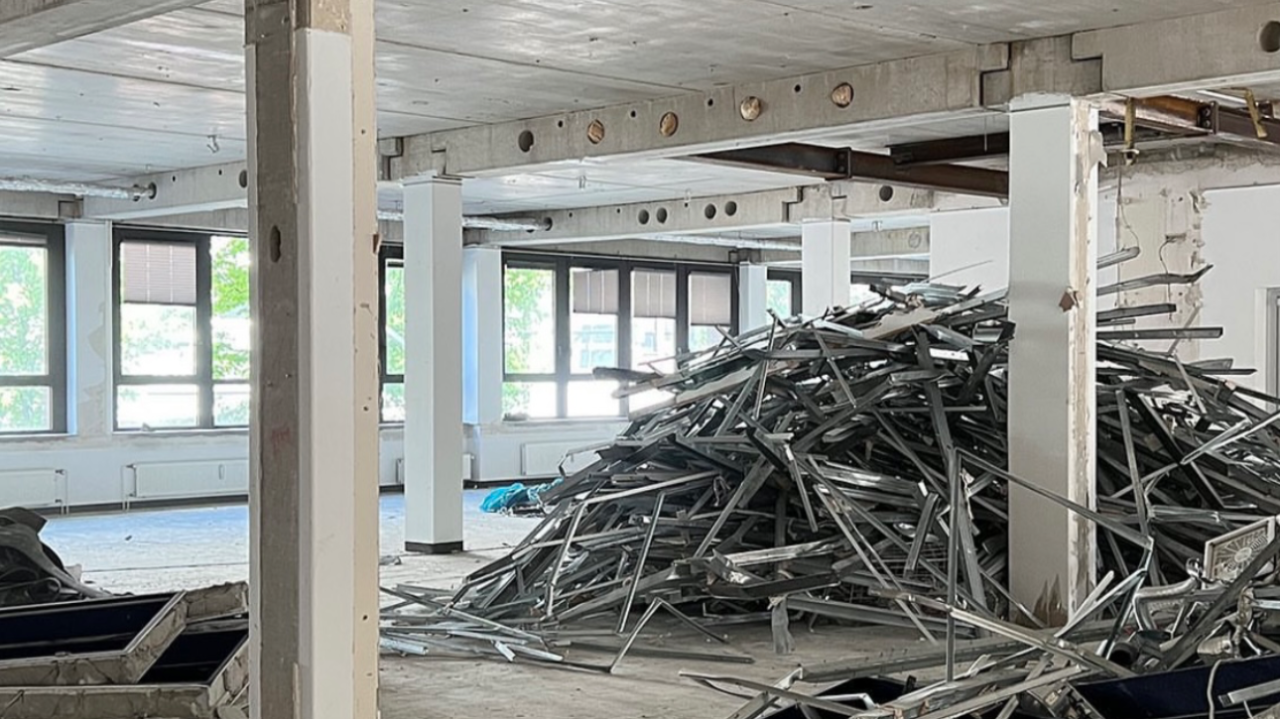
York is a city defined by contrast: a historic core within the city walls where conservation area status and listed buildings shape almost every project, and a modern commercial ring around Monks Cross and Clifton Moor where industrial and retail demolition work looks much like anywhere else. We work both ends of that spectrum, from a garden outbuilding in Fulford to a commercial unit off the A64.
Reaching York from our yard near Bishop Auckland takes around an hour up the A1(M) and A19, which keeps travel time manageable for survey visits, plant mobilisation and emergency call-outs without the job feeling like it's being run from too far away.
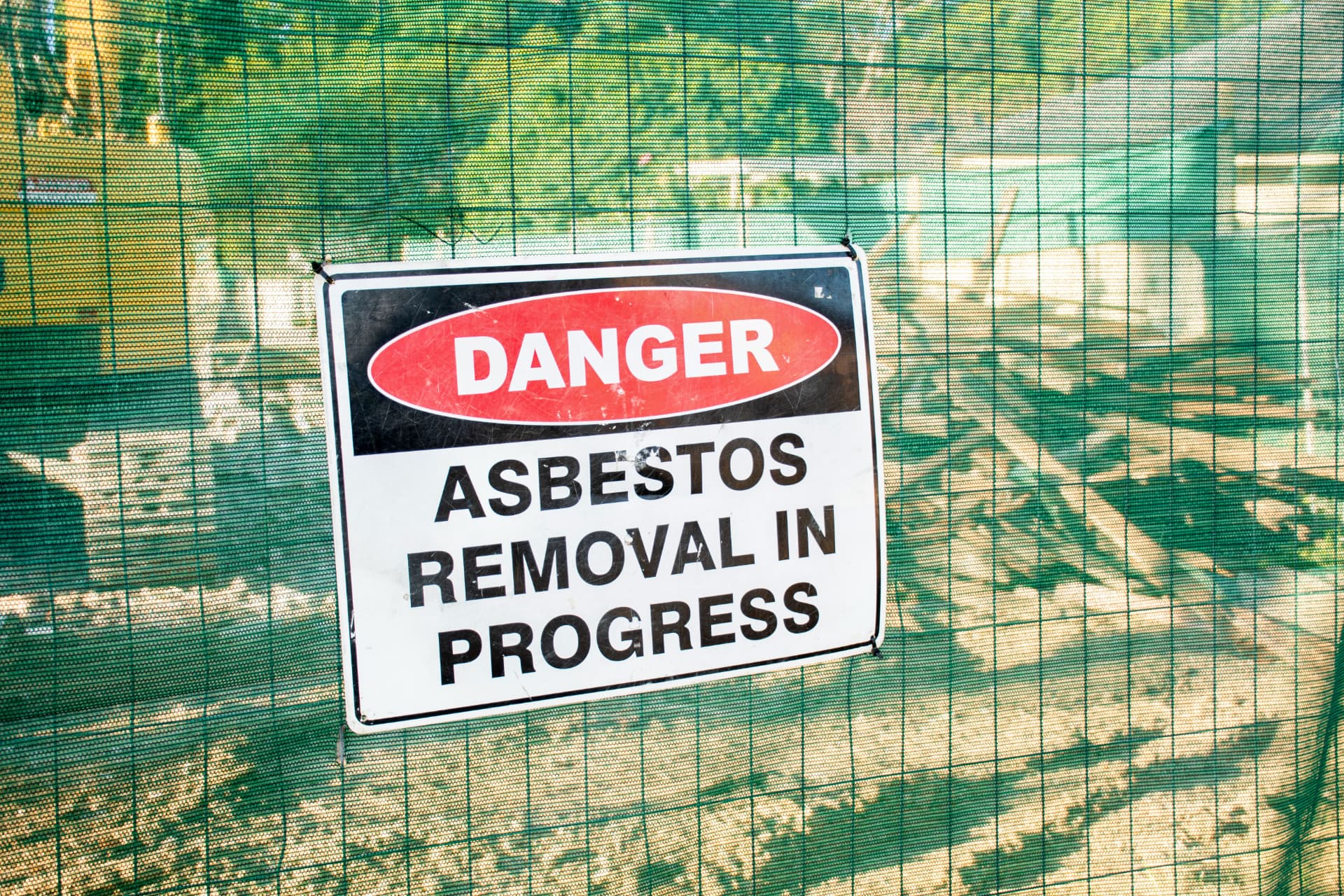
The city's Georgian and Victorian terraces in Clifton and Acomb, and the farm buildings scattered across the Vale of York around Poppleton and Heslington, bring their own considerations: older masonry party walls in town, and open agricultural structures with looser access but their own asbestos and structural risks out in the countryside.
Ground conditions near the Ouse and the Foss add another layer: low-lying areas of the city carry a recognised flood risk, which affects how a site is sequenced, how waste and plant are managed, and how quickly a job needs to move once weather turns. None of that changes the fundamentals: survey first, written price, asbestos checked before anything is disturbed.