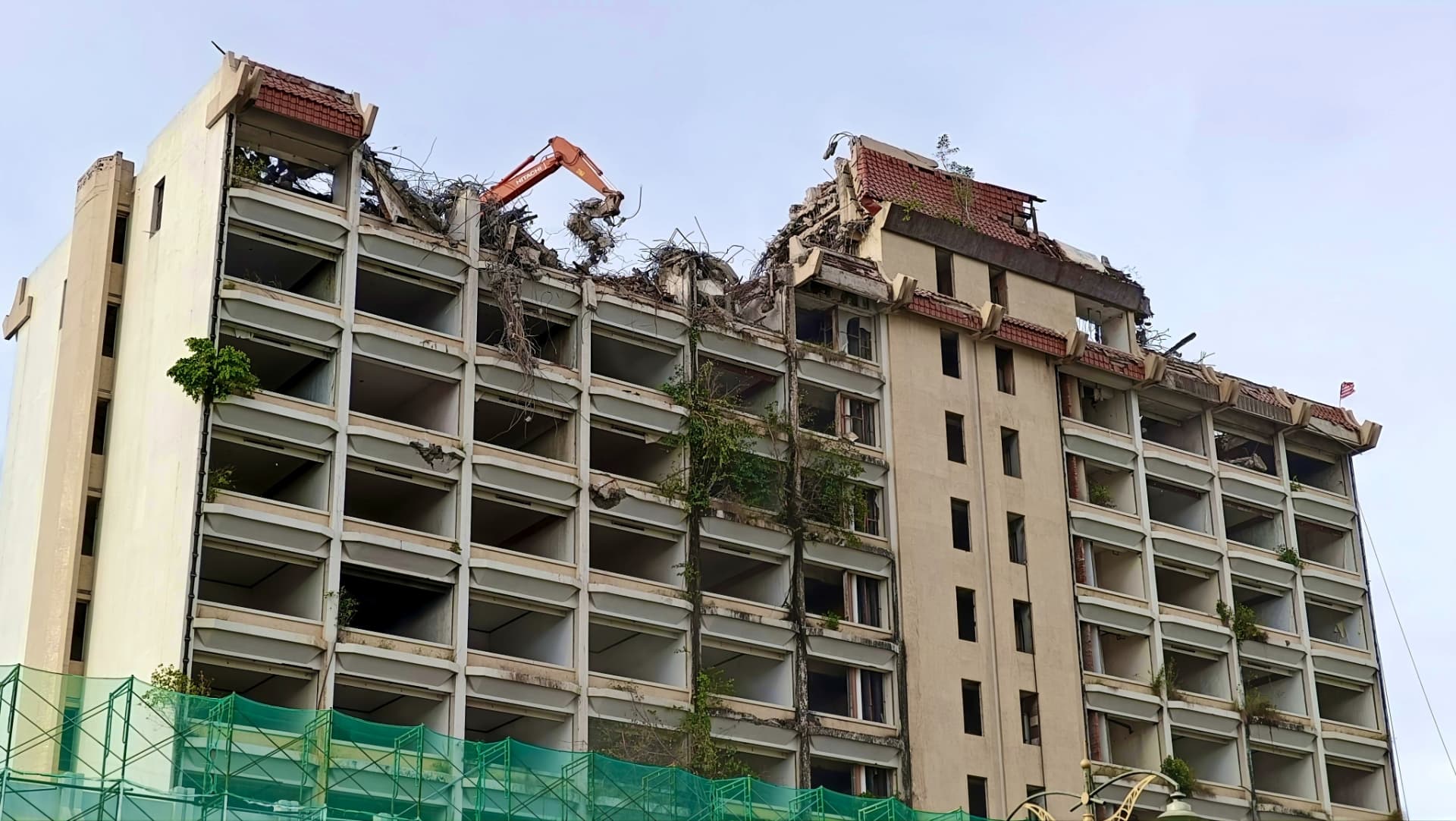
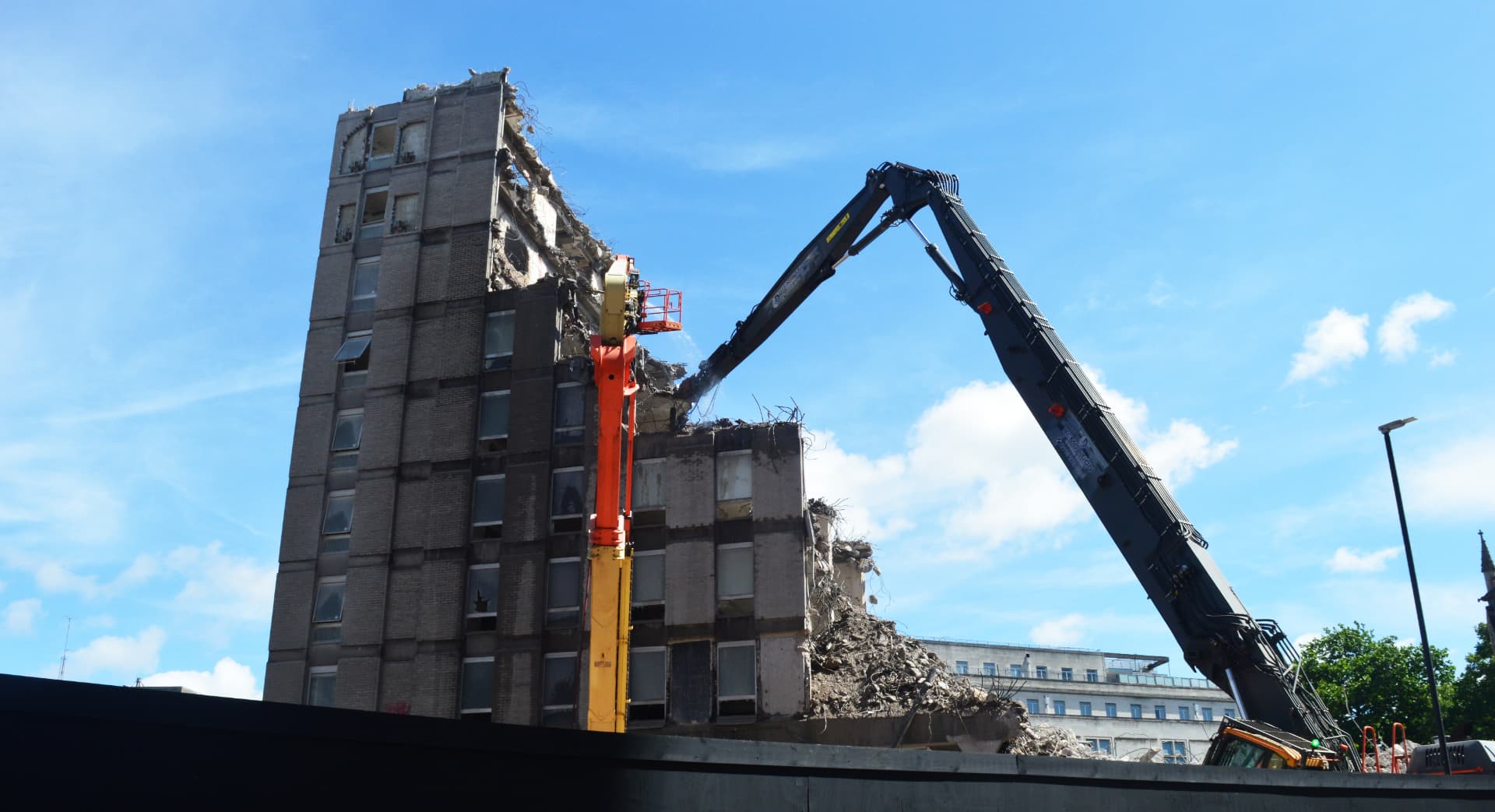
Sunderland grew up around shipbuilding and coal, and that history is still written into the ground across Pallion, Southwick and the river corridor, where former colliery and shipyard sites sit alongside working industrial estates at Doxford Park and Pattinson. We travel the A19 and A690 from our Bishop Auckland base to reach jobs across Sunderland, Washington, Houghton-le-Spring and Hetton-le-Hole, and we price Wearside work the same way we price work closer to home: a free survey, a written fixed quote, and RAMS prepared before anyone sets foot on site.
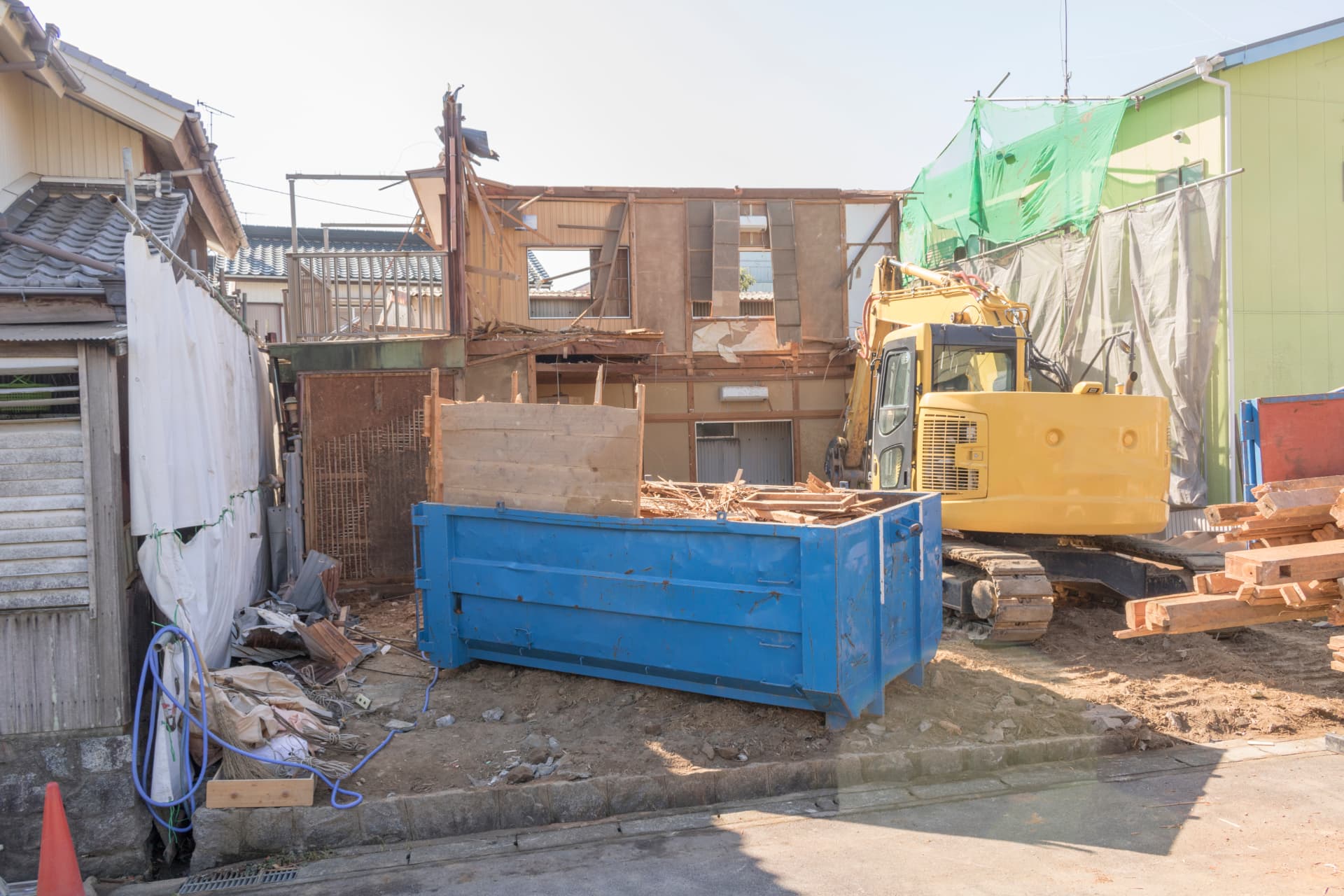
Housing stock across the city varies street by street. Hendon and Pallion still hold plenty of Victorian terraces built for shipyard and colliery workers, often with shared party walls and rear yards too narrow for anything but careful, sequenced demolition. Further out, Washington and parts of Houghton-le-Spring are dominated by 1960s and 70s council-built estates, many now needing partial demolition, garage removal or clearance ahead of regeneration schemes, while Hetton-le-Hole retains its own mix of ex-colliery terraces and post-war infill.
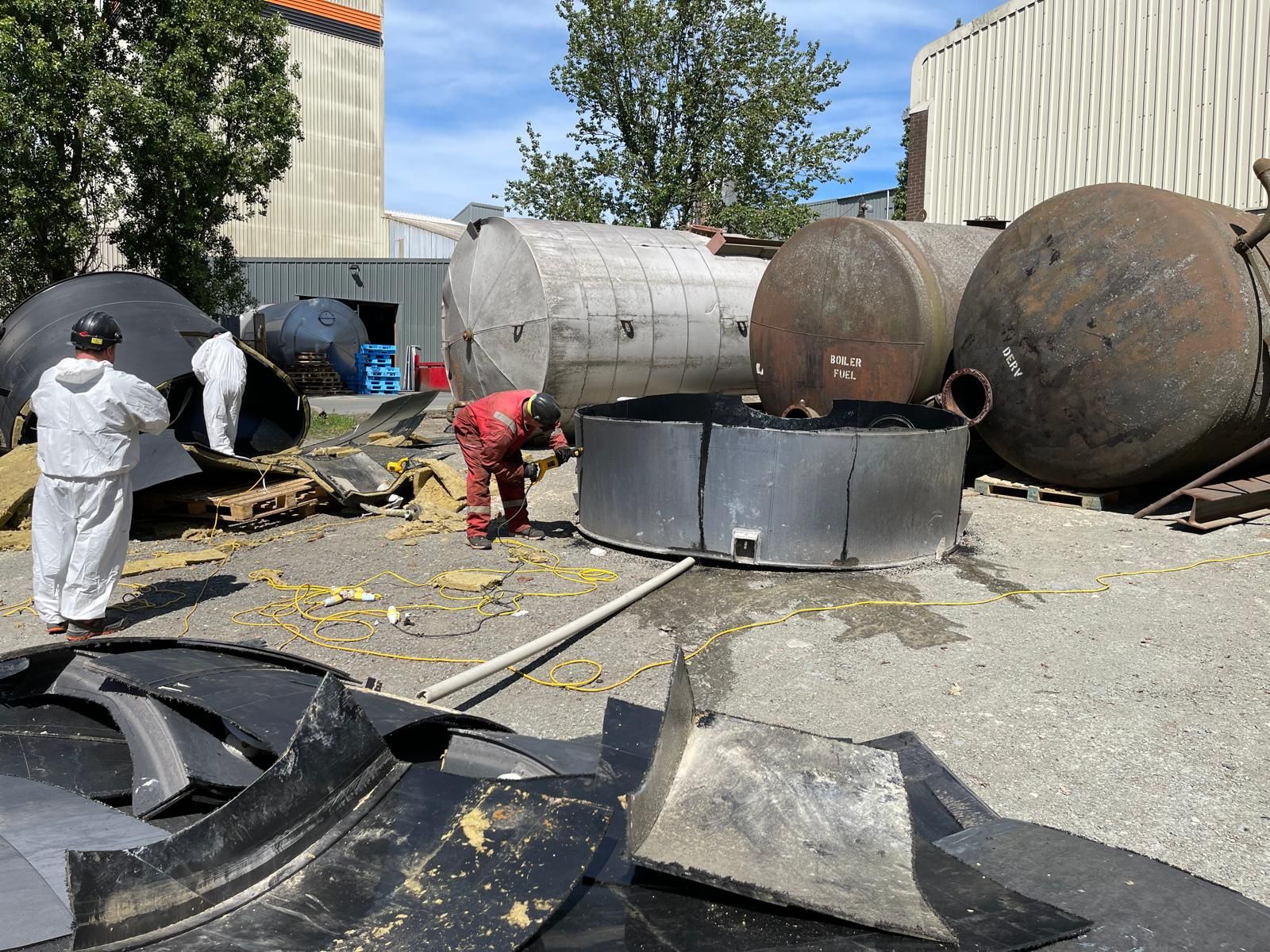
The coast brings a distinct set of challenges. Seaburn and Roker sit directly exposed to the North Sea, where salt-laden wind and driving coastal rain accelerate corrosion on old steel structures and speed up masonry decay on seafront properties in a way that inland Durham sites simply do not experience. Any structure standing empty near the seafront for any length of time tends to be in worse condition than its age alone would suggest, which changes how a demolition needs to be surveyed and sequenced.
Doxford International Business Park and Pattinson Industrial Estate give us fast, direct access for commercial and industrial jobs without threading through the city centre, and the A19's connection south means we can move plant and crews between a Wearside job and our County Durham base within the same working day when a programme demands it.