Darlington sits at the junction of the A1(M), the A66 and the A67, a market town built on the railways that grew into a regional hub for engineering, retail and logistics. That mix shows in the demolition work we're called out for: Victorian and Edwardian terraces around Cockerton and Haughton-le-Skerne that have outlived a rear extension or garage, and industrial units off Yarm Road and McMullen Road that have outlived their original tenant.
Being only around 12 miles from our yard at Ramshaw, Bishop Auckland, means we can get a surveyor out to a Darlington job quickly, and mobilise plant and crews the same day once a price is agreed, useful whether it's a domestic garage on a Cockerton terrace or a factory unit at Faverdale that needs stripping back to shell.
Darlington's railway heritage leaves its mark on the building stock too: old engine sheds, workshops and warehouse buildings near the station and along the old lines were built to a scale and construction that needs proper assessment before anything comes down, particularly where cast iron, timber roof trusses or asbestos cement sheeting are involved.
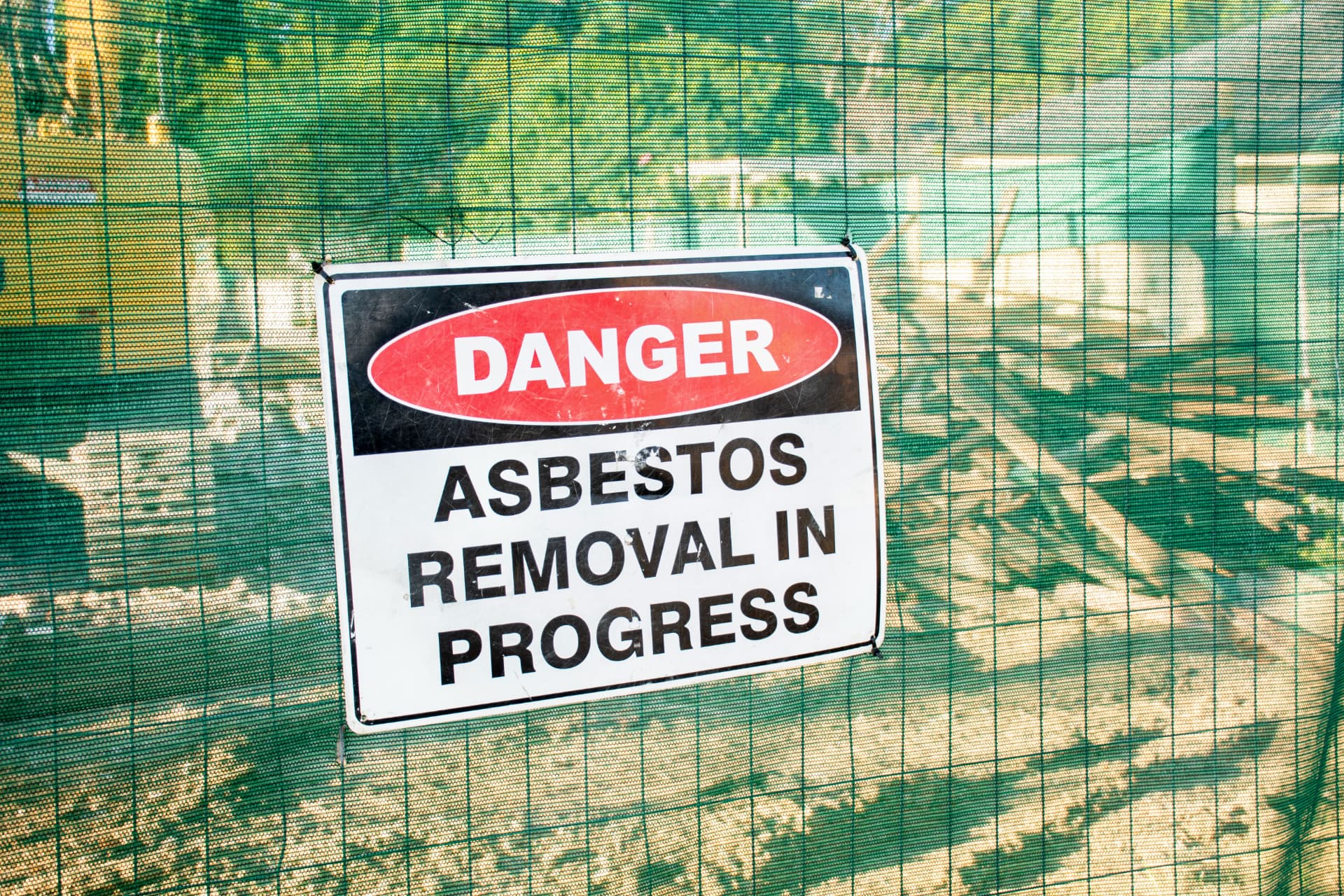
The town's newer commercial areas, Faverdale, Yarm Road, McMullen Road, sit alongside older housing stock in Haughton-le-Skerne and Cockerton, and out towards Hurworth and Heighington the pattern shifts to farm buildings and rural outbuildings. Whatever the setting, the approach is the same: survey first, price in writing, asbestos checked before anything is touched.