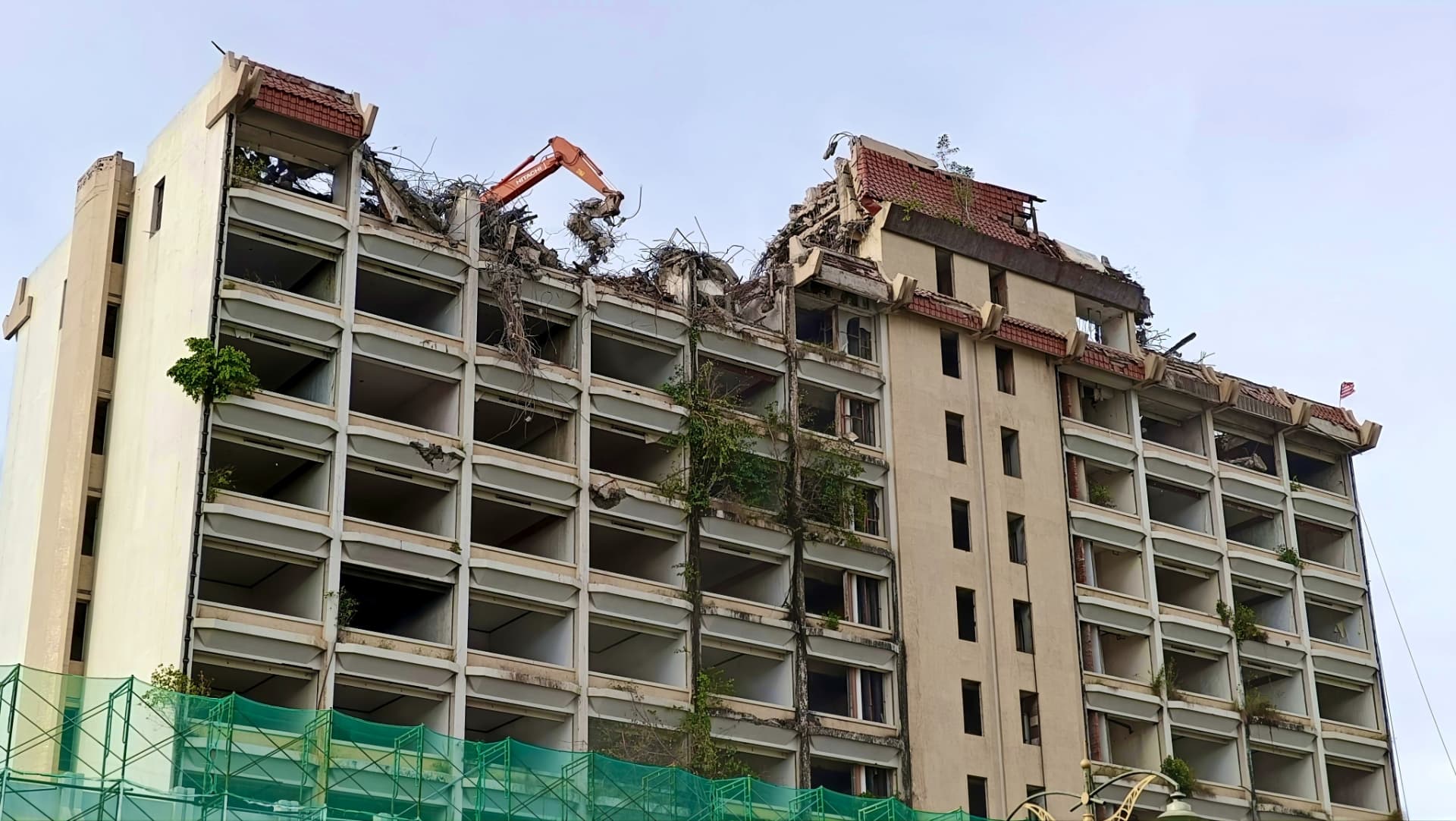
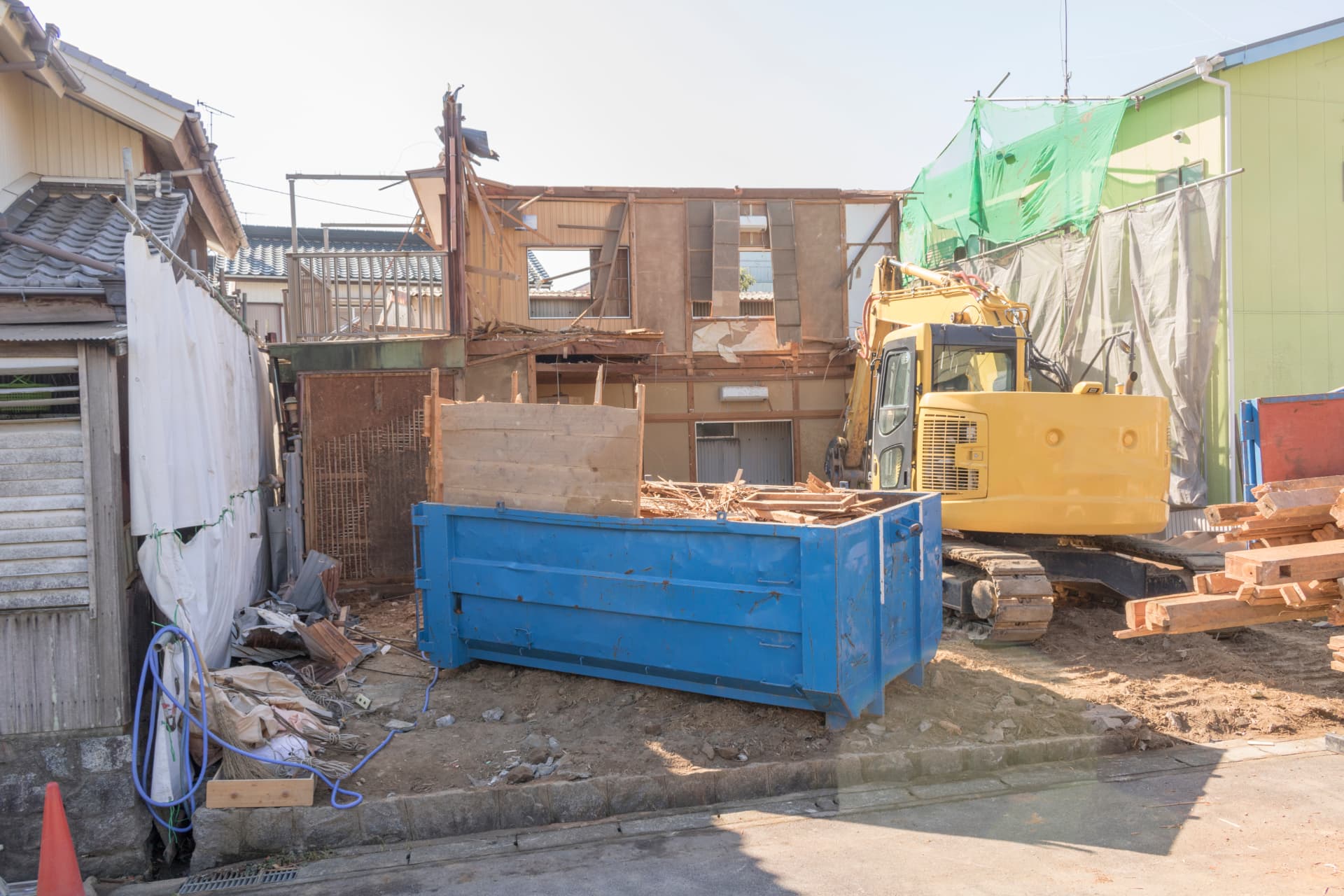
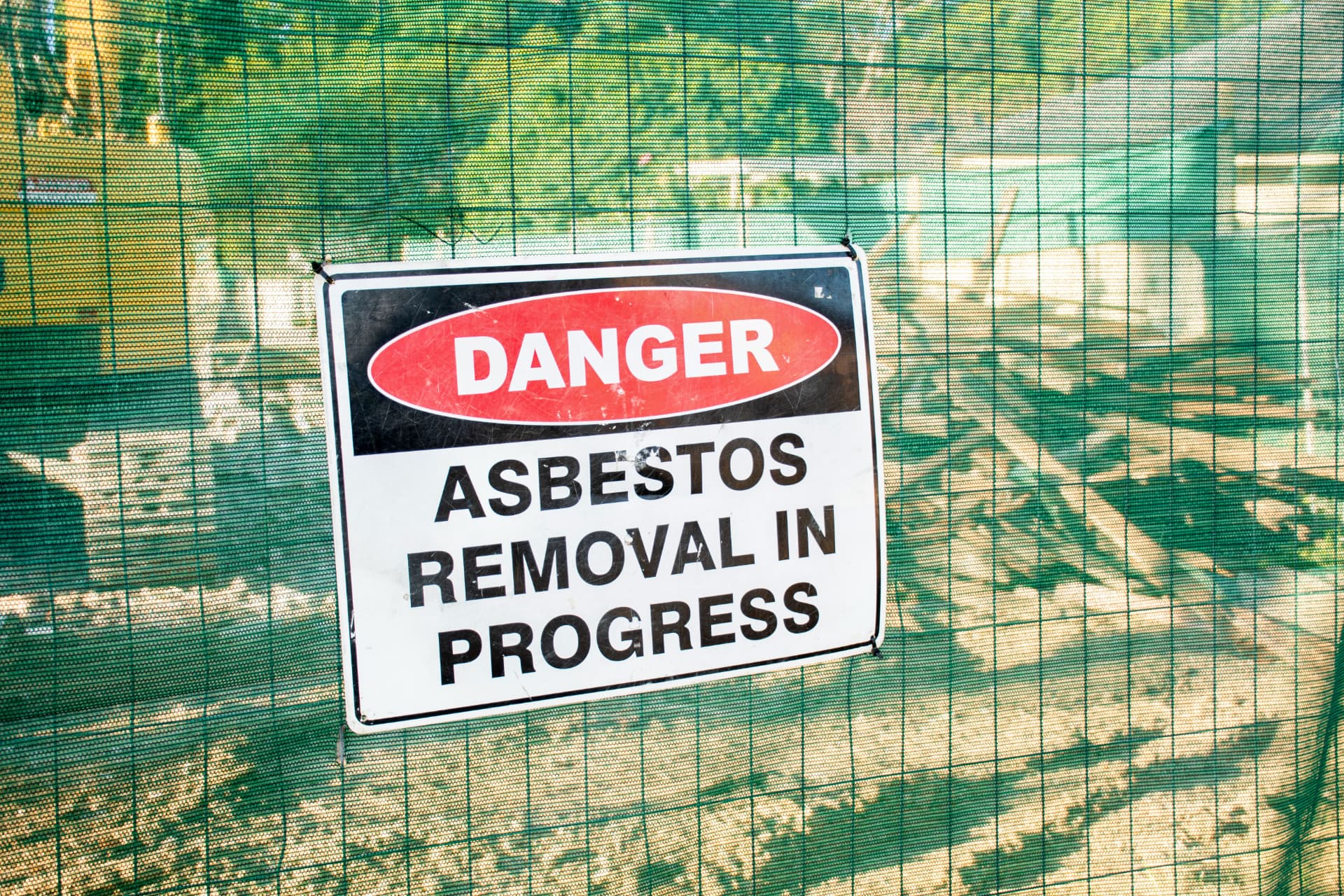
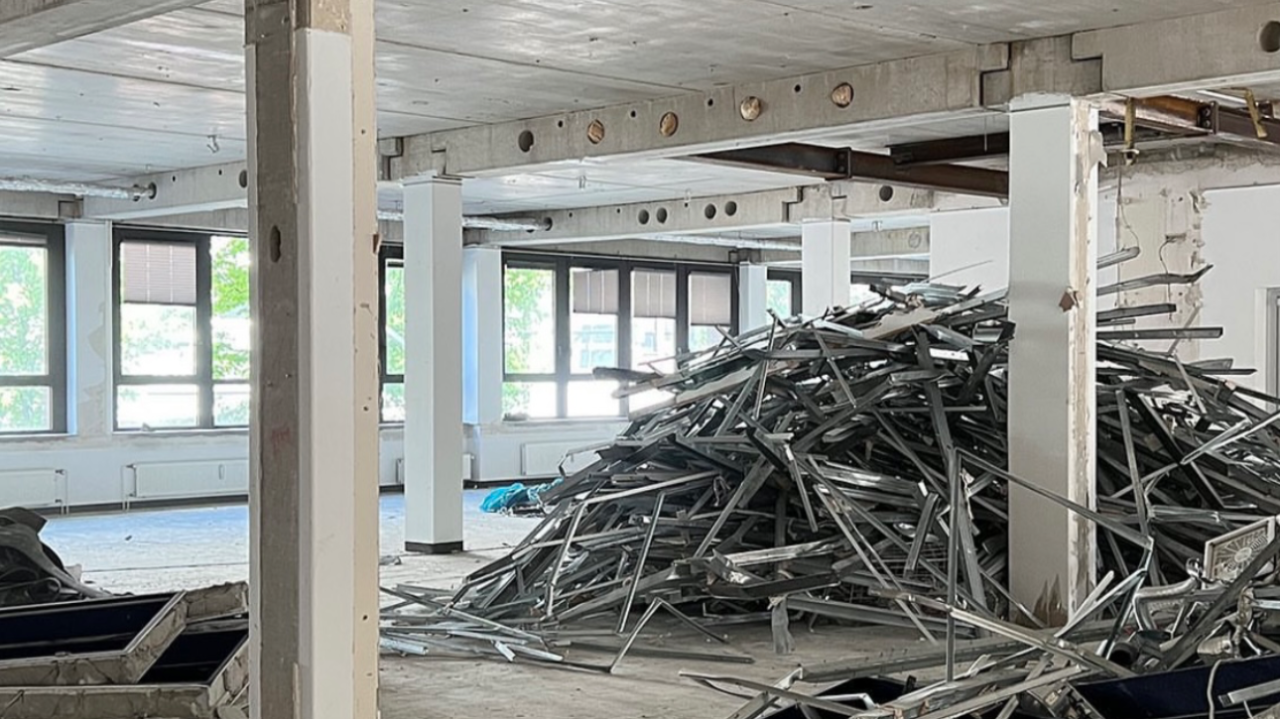
County Durham covers a lot of ground and a lot of different building stock, and our base at Ramshaw near Bishop Auckland puts us within easy reach of most of it. Durham City brings tight conservation-area constraints around the cathedral, the bailey and the older streets, where demolition and soft strip have to be planned around listed buildings, narrow access and strict controls on noise, dust and working hours. Chester-le-Street and Stanley, further north, mix Victorian terraces with post-war estates and industrial land left behind by mining and manufacturing.
Consett and Crook carry the legacy of heavy industry, steelworks, coking plants and colliery infrastructure that shaped the towns and left behind former industrial land that regularly needs remediation before redevelopment can start. Spennymoor and Newton Aycliffe sit closer to the modern industrial economy, with Aycliffe Business Park bringing large-scale commercial and light-industrial units that need decommissioning, soft strip or demolition on a working estate where other units stay operational throughout.
Out east, Peterlee, Seaham and the coastal fringe carry their own mix of 1950s–60s new-town housing and ex-colliery land running down towards the coast, some of it now years out of active mining use but still needing careful ground investigation before any redevelopment work. Council and housing association stock across the county, much of it built through the mid-20th century, is a regular source of work, from single void demolitions to larger clearance programmes.
West of Bishop Auckland, Weardale, Teesdale and Barnard Castle bring a different challenge again: isolated upland farm buildings, exposed sites with genuinely testing weather, and access roads that a wet Pennine winter can make difficult for heavy machinery. We cover all of it from one base, with the same survey, insurance and accreditation standards applied whether the job is a Durham City soft strip or a barn above Middleton-in-Teesdale.