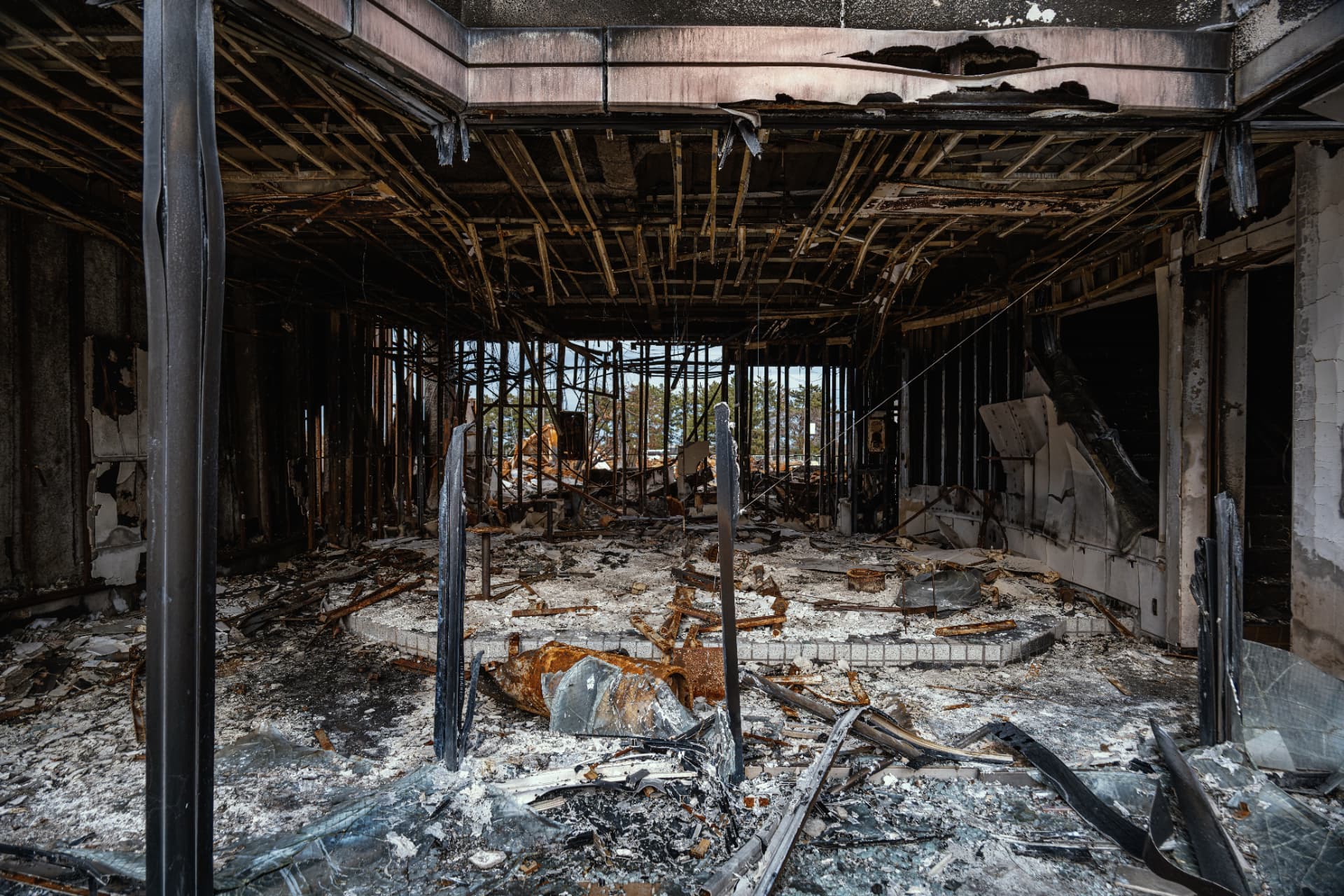
Middlesbrough carries a heavy-industrial legacy that shapes almost every demolition brief we take on here, from Cargo Fleet's former steelworking land to the mix of chemical, engineering and fabrication sites that line the river and the A66 corridor. Ground conditions on this legacy land are rarely straightforward, and a proper survey before any machine moves is the difference between a clean job and a costly delay once contamination or old foundations turn up mid-strip.
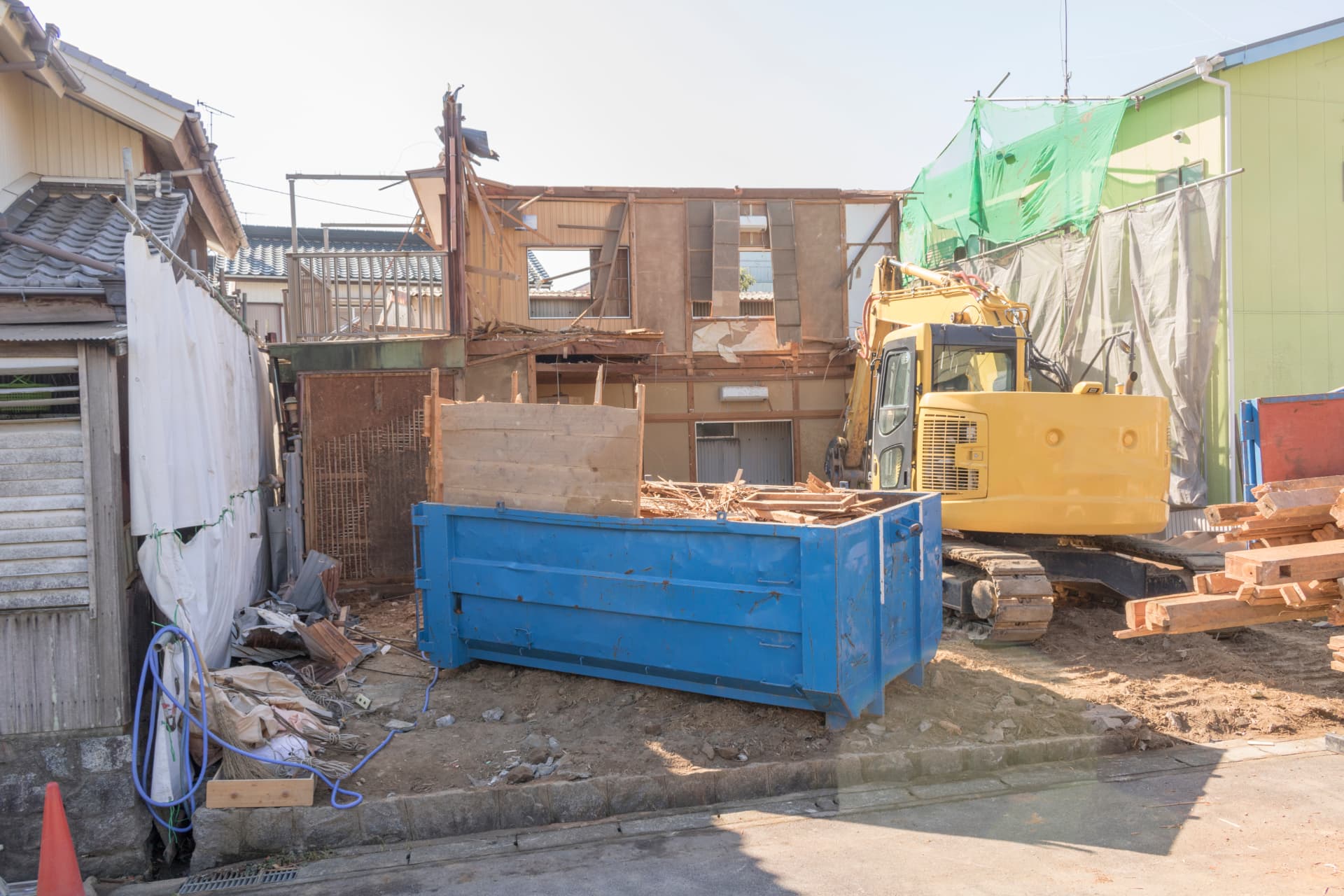
The town's residential streets tell a different story but bring their own demands: dense Victorian terraces around Linthorpe and the town centre, interwar and postwar estates through Berwick Hills, Grove Hill and Ormesby, and newer housing further out towards Coulby Newham and Hemlington. Garages, outbuildings and rear extensions on these tighter plots often sit close to a shared boundary or a neighbour's fence, which changes the method we use long before it changes the price.
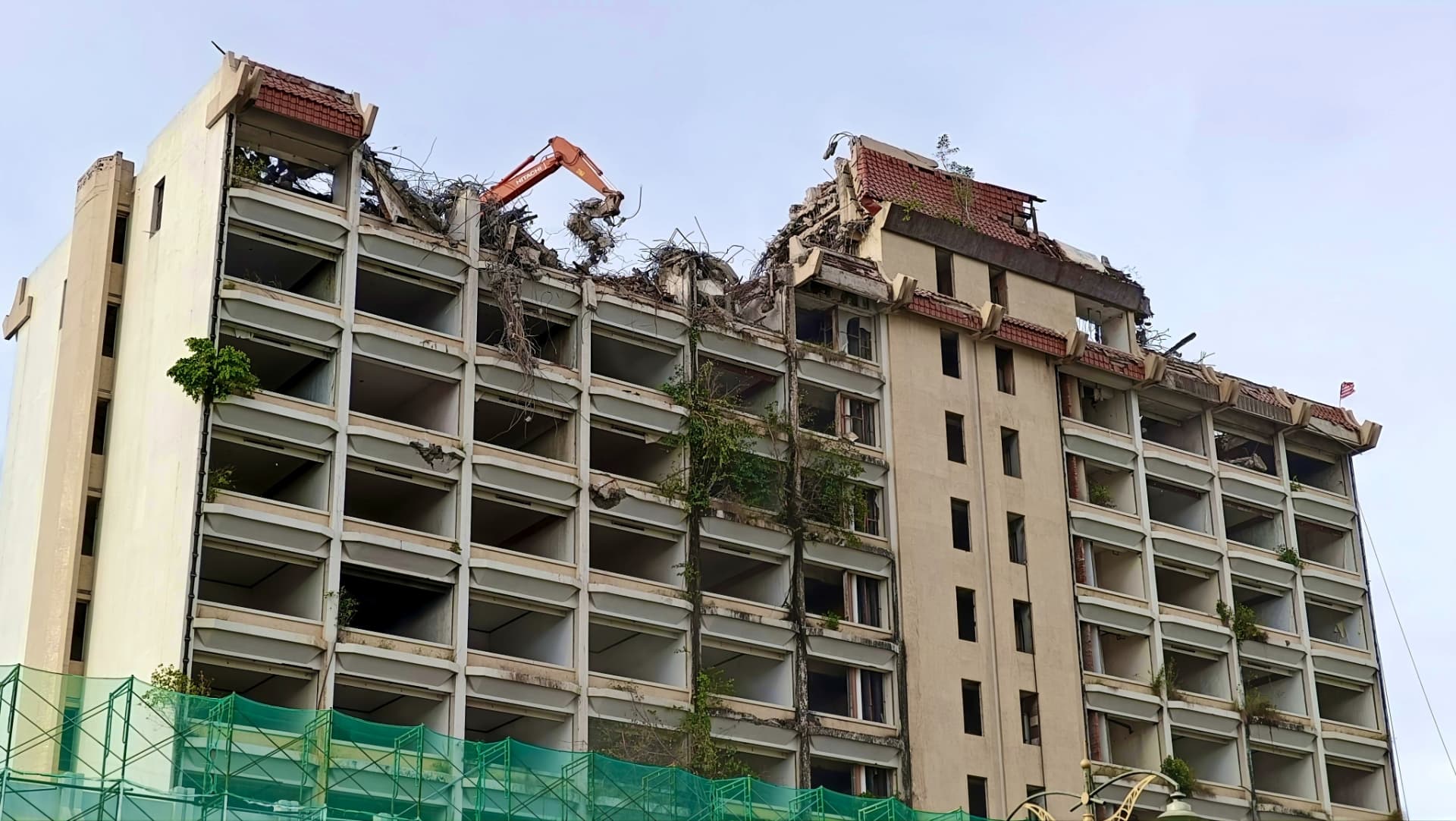
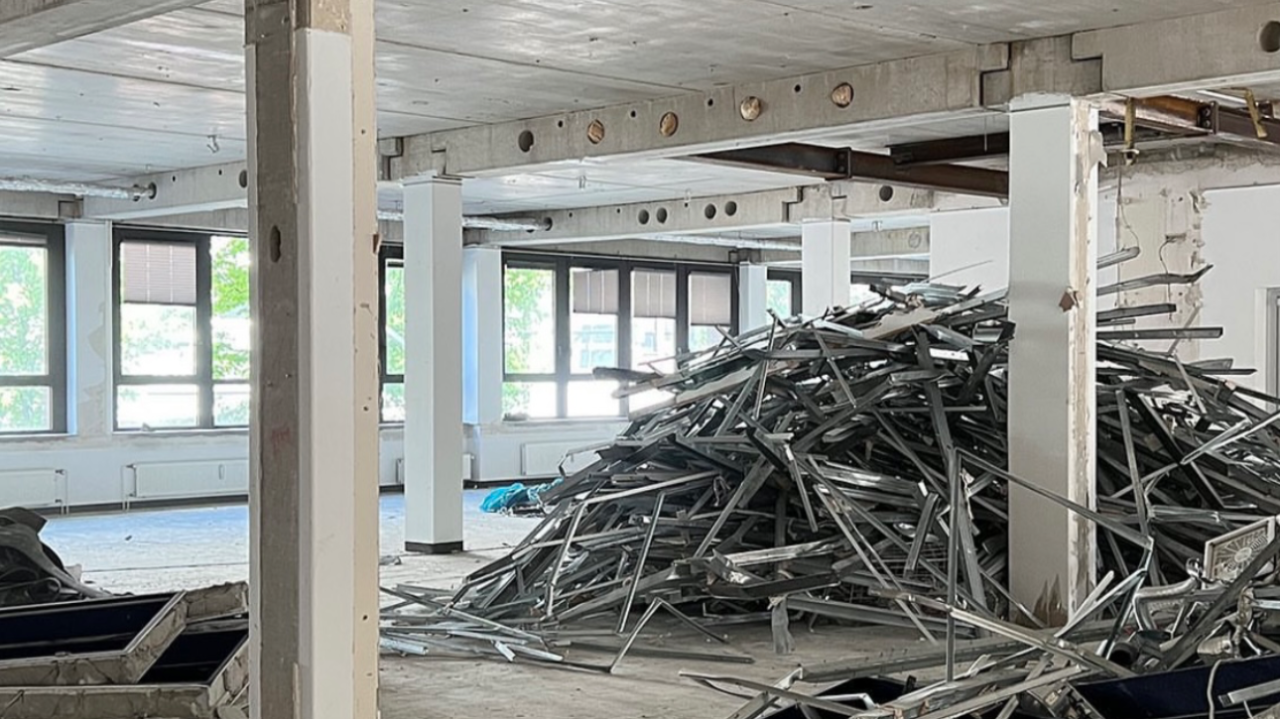
Middlesbrough's town centre and the roads running out from it, North Ormesby, the approach to Riverside Park, the retail strips along the A66, have accumulated a good number of vacant shops, former banks and light-industrial units as trade has shifted online and out of town. Soft strip and clearance of these units, often with asbestos in old ceiling tiles or floor tiles, is one of the steadier streams of work we see across the borough.
Access and logistics in Middlesbrough are generally workable: the A66 and A19 give fast routes in and out for muck-away and skip traffic, and Riverside Park's road network handles larger vehicles without the narrow-lane problems you get in some older towns. Where a site does sit on a tight terraced street or a pedestrianised stretch near the centre, we plan traffic management and permits into the quote from the outset rather than discovering the problem on the first morning.